Blues Harmonica Workshops in Southern California
Facts
- Workshop formats range from festival tents to multi-week courses
- A single 10-hole diatonic harp in C covers most beginner workshops
- Private teachers and jam sessions complement formal classes
Why Harmonica Is the Gateway Blues Instrument
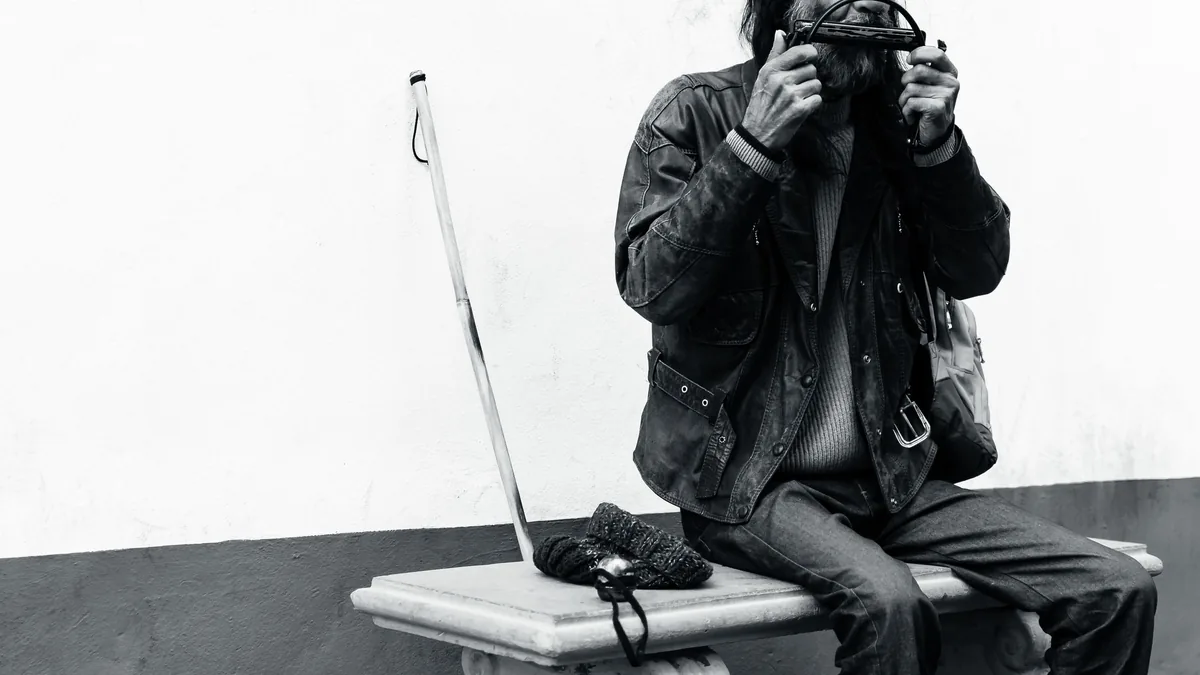
The harmonica is the cheapest serious instrument in the blues, portable enough to live in a jacket pocket and expressive enough to front a band. That makes it the most workshop-friendly instrument the music has: a room of beginners with ten-dollar harps can get somewhere audible in an afternoon, which is exactly what blues festivals and music schools around Southern California take advantage of.
Workshop Formats You Will Encounter
Expect three broad formats. Festival workshops are single sessions, often free with admission, taught in a tent between sets; events like the Topanga Blues Festival belong to a regional tradition where teaching moments happen around the main stage. Music-school courses run weekly for a month or a season and build technique in order. Private lessons, in person or online, cost the most per hour and move the fastest. Most players mix all three over time.
What to Bring and What It Costs
Nearly every beginner workshop assumes a 10-hole diatonic harmonica in the key of C, which costs about as much as a concert ticket; bring one and you are equipped. Avoid buying a full key set until a teacher tells you which keys you actually need. Festival sessions are commonly included with entry, school courses price per term, and private teachers per hour; since prices and schedules shift, confirm both with the organizer rather than relying on any listing, including ours.
Choosing a Good Teacher or Class
A useful blues harmonica class teaches three things early: single notes, bending, and playing with a groove rather than over it. Ask prospective teachers what their students play after six months; a good answer names songs and jam experience, not just technique. And check that the class level is honest, because sitting in an "all levels" room as a true beginner mostly teaches humility.
From Workshop to Bandstand
Workshops start the engine; jams make it run. The region's open blues jams tolerate and often adore a developing harp player who knows three songs and listens well. Watch our calendar for festival and teaching events as they are confirmed, and when you are ready for a bandstand, the jam circuit is the natural next room.
Practicing Between Sessions
Workshops compress instruction; progress happens in the week after. A workable daily routine fits in fifteen minutes: a few minutes of single-note scales to keep the embouchure honest, a few on the bend you are currently losing, and the rest playing along with records a notch slower than comfortable. Record yourself once a week on a phone, because the harmonica you hear from inside your head is not the one the room hears. Bring the recording, and your questions, to the next workshop; teachers can fix a documented problem far faster than a remembered one.