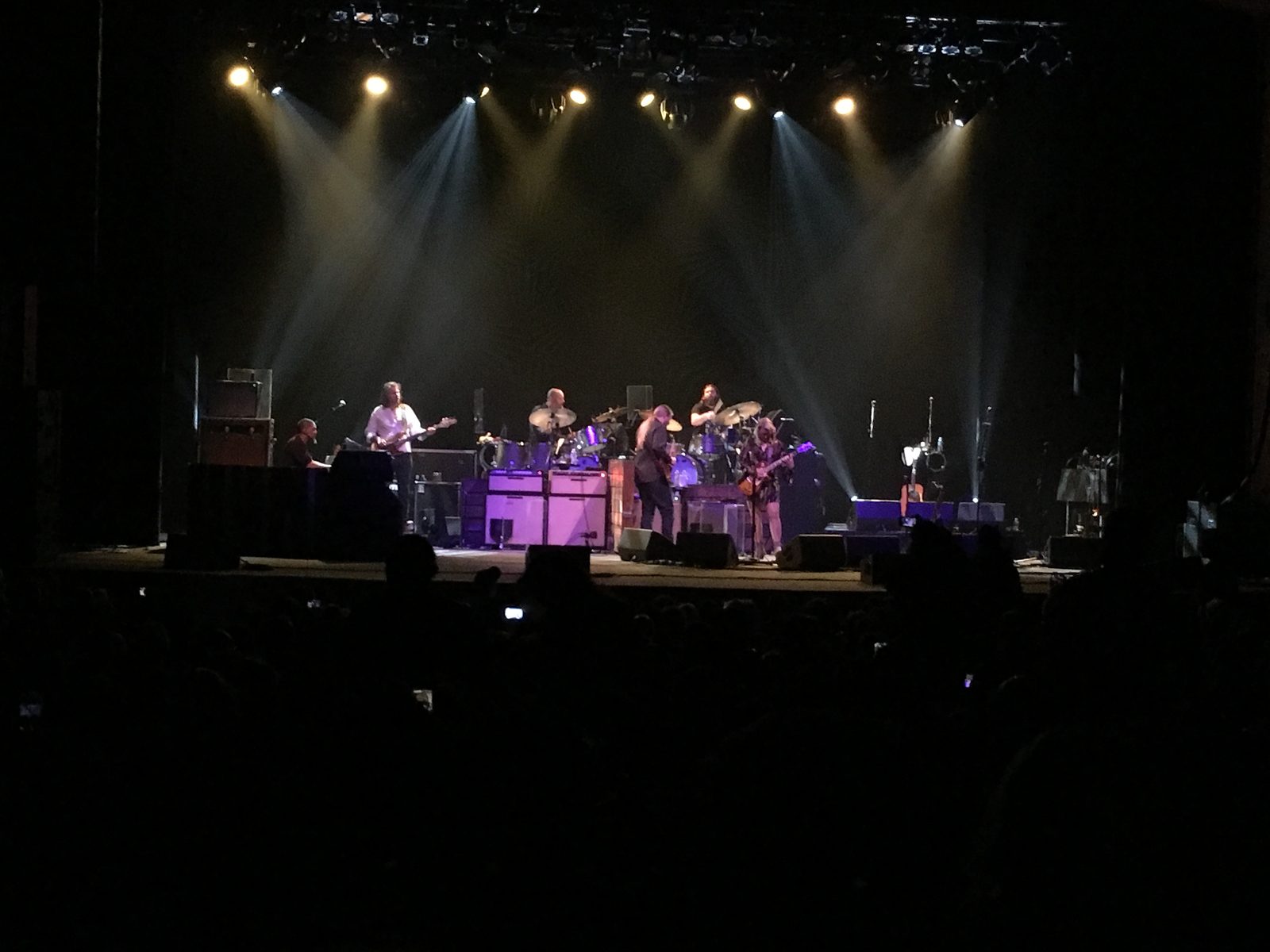
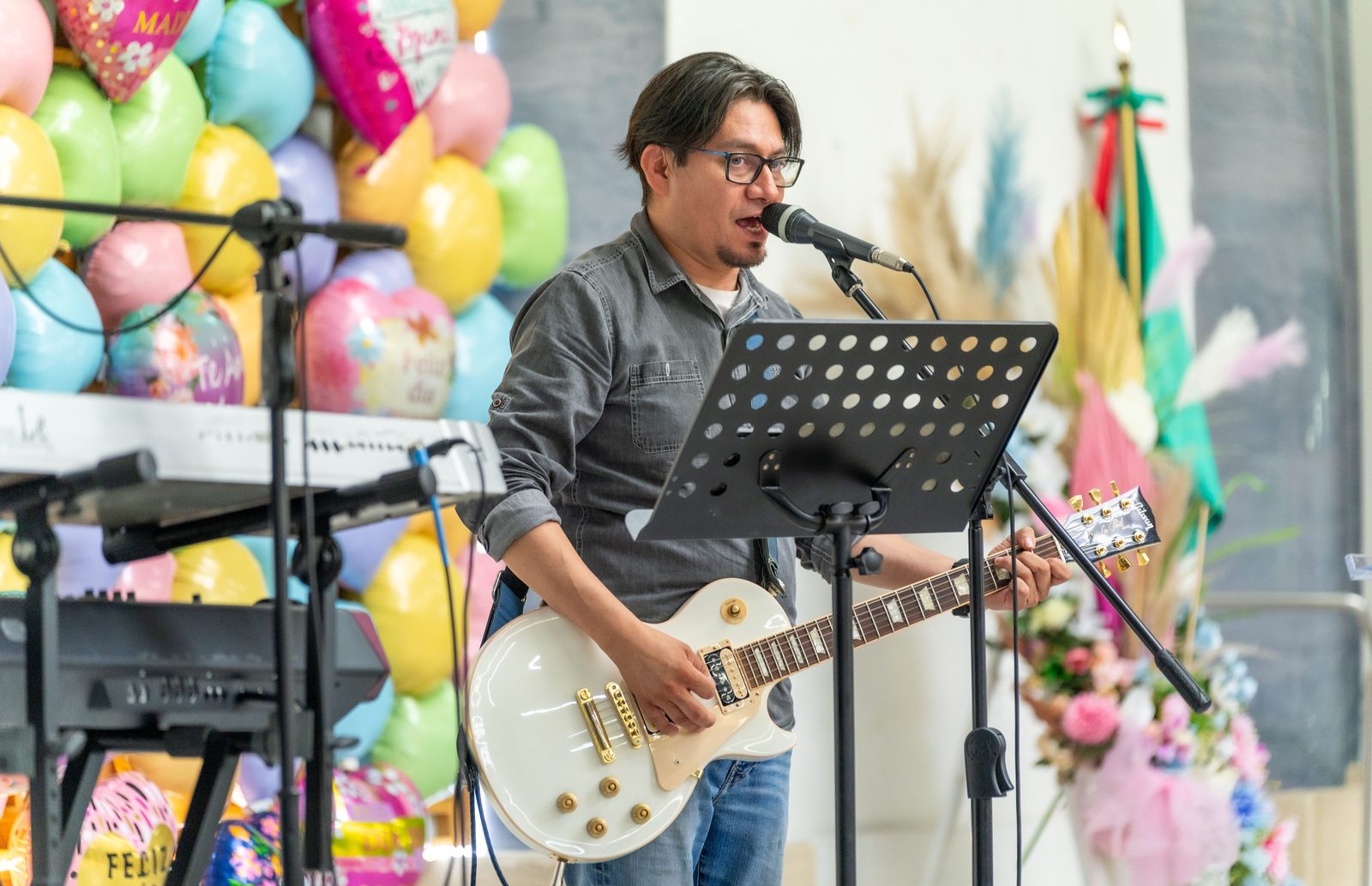
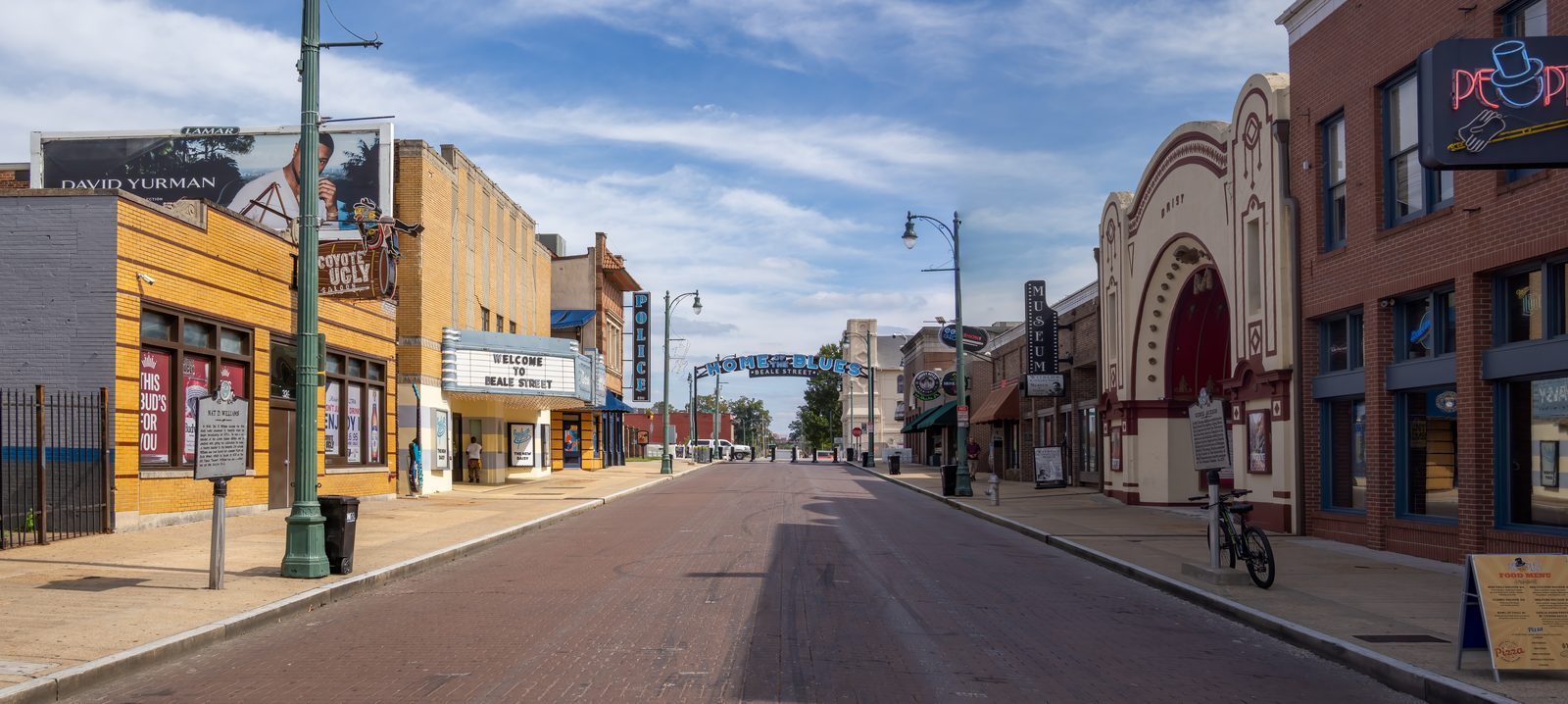
New Year's Eve Blues Celebration 2009: Part 3
Facts
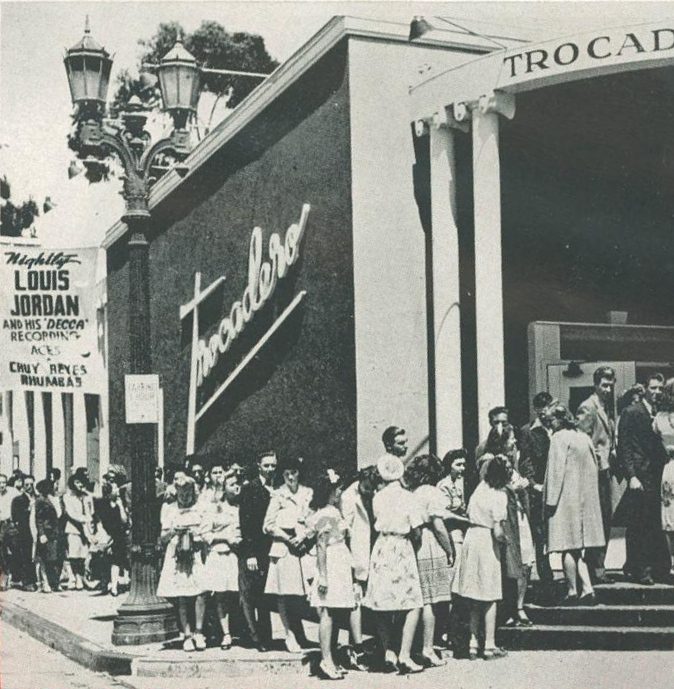
- Jump blues emerged in the late 1930s-1940s as a horn-driven, dance-oriented style bridging swing and blues, popularized nationally by artists such as Louis Jordan and Louis Prima.
- T-Bone Walker, a foundational figure in postwar electric blues, was based in Los Angeles through the 1940s, and the city's Central Avenue scene was a key incubator of the jump blues and early R&B sound.
- The 2009 Long Beach Blues Festival's opening-night lineup included Flattop Tom and His Jump Cats, a band specializing in the jump blues style, confirming the genre's active presence in the Southern California festival circuit that year.
This page closes out the three-part New Year's Eve 2009 blues gallery from the original SCBS site. The keyword this page was built around, jump blues bands in California, points to something genuinely real and well worth explaining: jump blues has deep, verifiable Southern California roots.
Jump blues emerged in the late 1930s and 1940s as a high-energy, horn-driven, danceable cousin of big-band swing and traditional blues, popularized nationally by artists like Louis Jordan and Louis Prima. Los Angeles was one of the genre's major West Coast homes: electric guitarist and bandleader T-Bone Walker, a central figure in the development of postwar electric blues, was based in Los Angeles through the 1940s, and the city's Central Avenue jazz and blues club scene of that era helped shape the jump blues and early rhythm-and-blues sound that fed directly into what later became rock and roll. That lineage persisted for decades in California blues and swing-revival bands that specialize in jump blues as a live dance-club style, exactly the kind of band a New Year's Eve blues party would book for a room that wants to dance at midnight.
That history is also why the 2009 Long Beach Blues Festival lineup covered elsewhere in this archive makes sense as a companion event: it included Flattop Tom and His Jump Cats, a band explicitly built around the jump blues style, on its opening night that same September, drawing on the same local pool of jump-blues-leaning bands that played the Southern California festival circuit that year.
Los Angeles produced its own major jump blues figure in saxophonist Big Jay McNeely, known nationally for his honking, crowd-whipping tenor sax solos and for performing flat on his back on nightclub floors during the late 1940s and 1950s. McNeely's raucous style, along with that of contemporaries working the same Central Avenue-adjacent circuit, helped define what a Southern California jump blues band sounded like on a dance-floor night decades before any specific SCBS New Year's Eve show.
The previous part of this gallery is at New Year's Eve Blues Celebration 2009: Part 2, the surviving photo index for this archive is at photos, and for an earlier regional qualifying round from the same organization, see Regional IBC, November 2008.