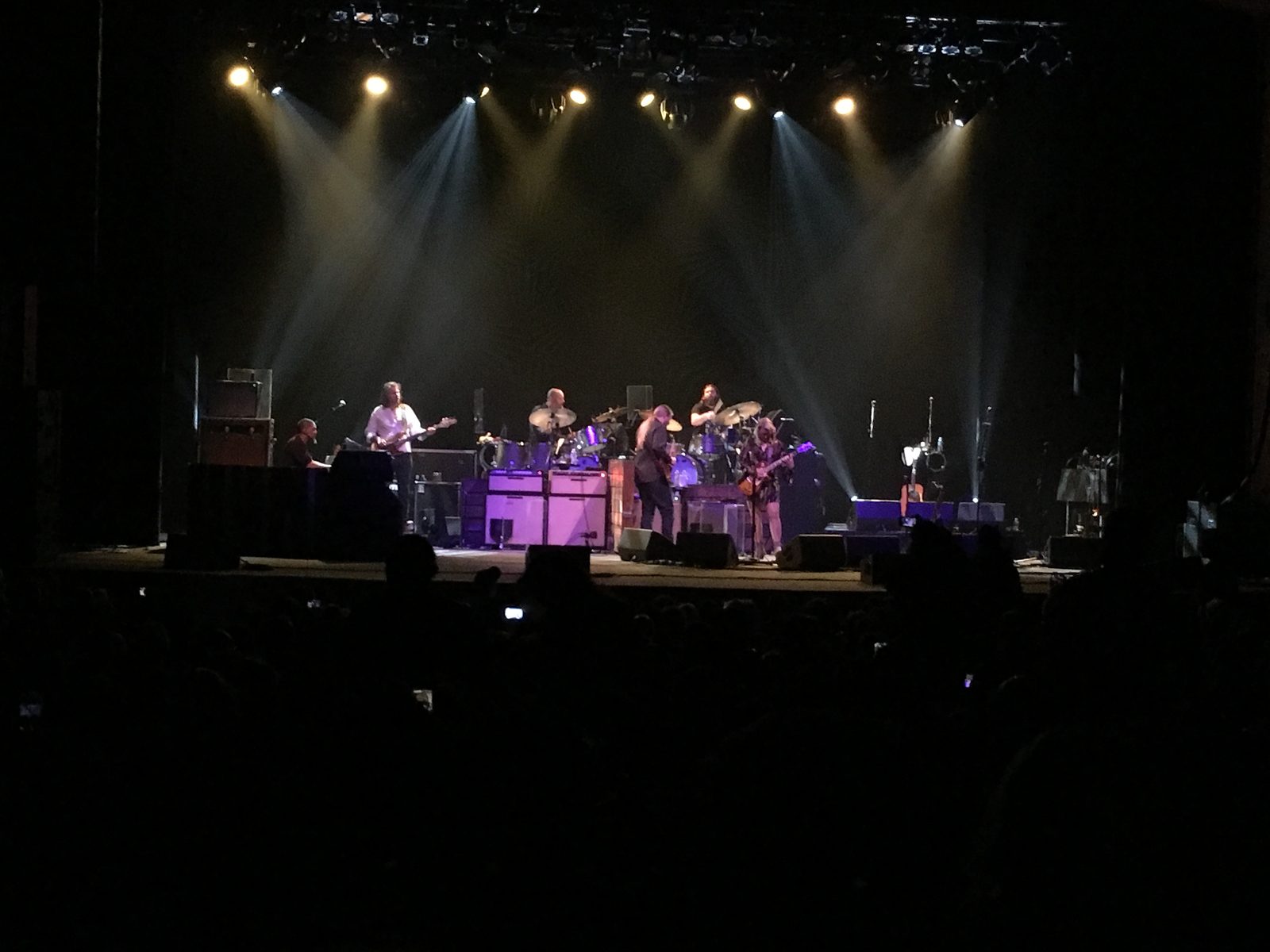
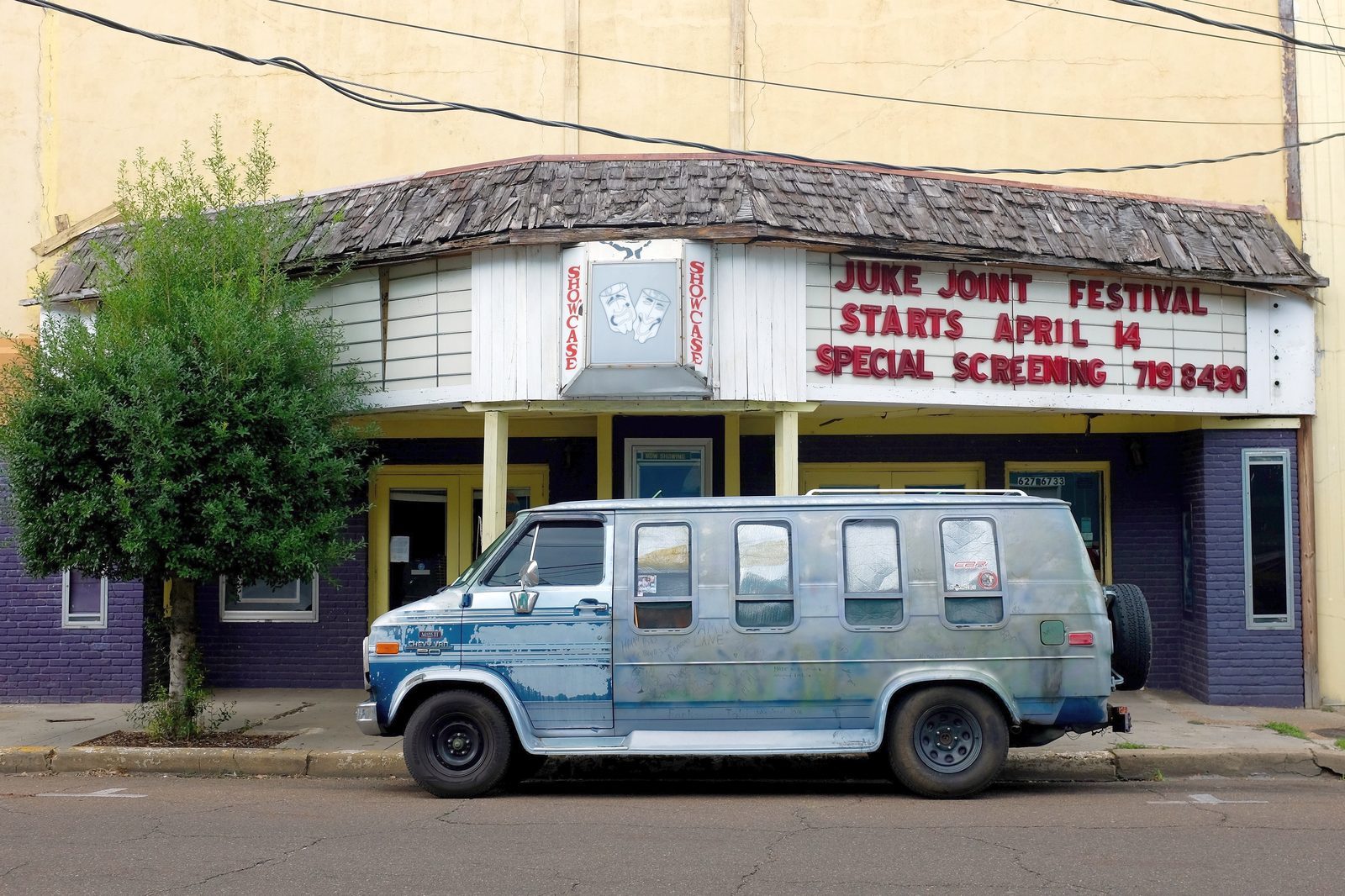
Juke Joint, March 2010: Part 2
Facts
- An Internet Archive Wayback Machine snapshot confirms this exact URL existed on the original scbsevents.org site, captured in 2023.
- This page is documented as "Part 2" of a two-part writeup continuing from /juke-joint-march-2010-part-1.
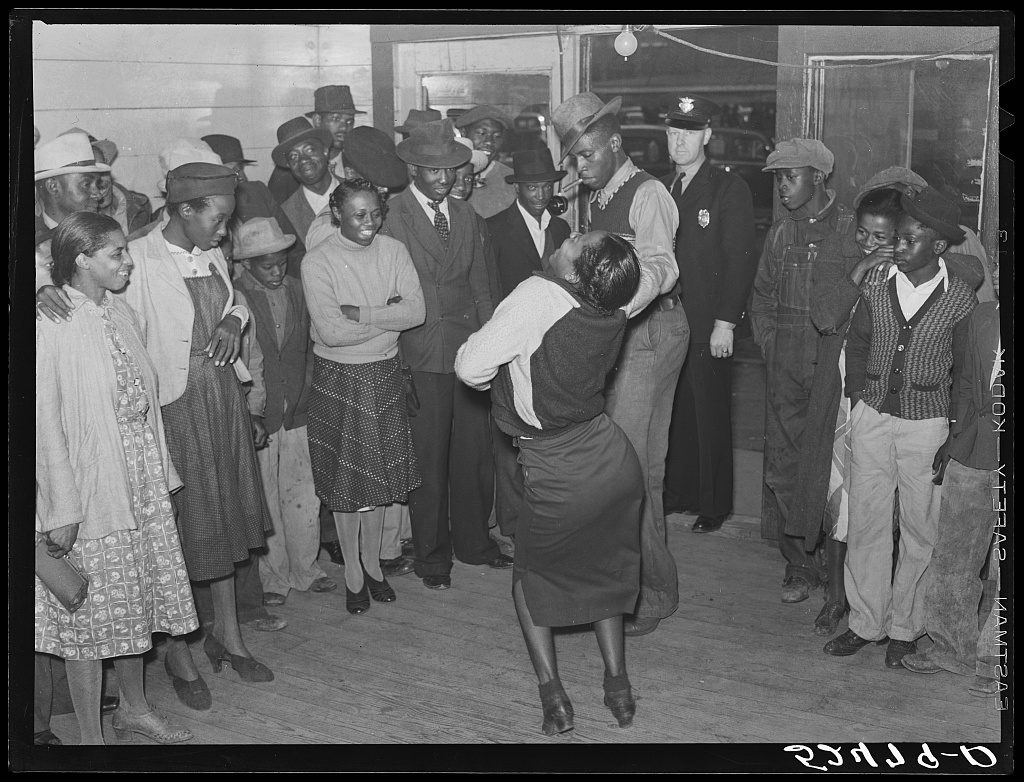
- Historically, juke joints are defined by music historians primarily through the participatory, dance-centered bond between crowd and musicians rather than through venue decor.
This page archives "Part 2" of the Southern California Blues Society's March 2010 LA Juke Joint evening, continuing directly from the entry documented on our Juke Joint, March 2010: Part 1 page. The Southern California Blues Journal is an independent fan guide rebuilding this domain as a record of the region's blues community history.
We confirmed, via an Internet Archive Wayback Machine snapshot, that this exact URL existed on the original scbsevents.org site before the domain lapsed.
Dance is worth dwelling on briefly here, because it is central to what a "juke joint" night, old or new, is actually for. Historically, juke joints were defined less by any particular décor and more by the close, informal bond between the crowd and the music, usually built around dancing rather than passive listening, a dynamic that distinguished them from more formal performance venues even as the music itself overlapped. A community blues society staging a modern "juke joint" evening is generally aiming to recreate that participatory, danceable atmosphere for its own local audience, which is presumably why SCBS structured this as a two-part photo gallery in the first place, since dance-floor nights tend to generate a lot of candid crowd photography compared to seated-audience concerts.
The word itself has a documented history worth knowing. Linguists trace "juke" to the Gullah word "joog" or "jug," meaning disorderly, wicked, or rowdy, a term carried into American English through Gullah-Geechee communities along the Southeastern coast before spreading across the rural South alongside the venues it came to describe. That etymology lines up neatly with what juke joints actually were: unpretentious, often makeshift spaces where normal social rules relaxed and dancing, drinking, and music took priority over respectability, a spirit any community blues society trying to recreate a "juke joint night" decades later and thousands of miles away would be reaching for.
For the related regional blues-society fundraising events SCBS ran that same general period, see our Long Beach Blues Festival 2009 page, and for the first half of this specific March 2010 evening, return to Juke Joint, March 2010: Part 1. Our photo archive remains the best place to check for anything newly added.