Blues Songs: Stories and Recordings
Every blues standard has a story behind it — who wrote it, who first put it on record, and how it traveled from a single regional hit into a song covered by generations of musicians. This section of the site is a hub for exploring those stories: the background of individual blues songs, the circumstances of their first recordings, and the notable versions that followed. We don't reproduce lyrics here; instead, each song guide links out to legitimate, authorized listening options — official artist channels on YouTube, and the tracks on licensed streaming services such as Spotify and Apple Music — so you can hear the real recordings while we focus on the history around them.
Some of the richest material in the blues canon comes out of two very different studio traditions: the Memphis soul-blues sound of Stax Records in the 1960s, and the Houston-based Duke Records operation of the 1950s. Both produced songs that didn't just chart in their own era but became standards that blues and rock musicians have returned to for decades, often reshaping them into something new while keeping the bones of the original intact.
Start with these song guides
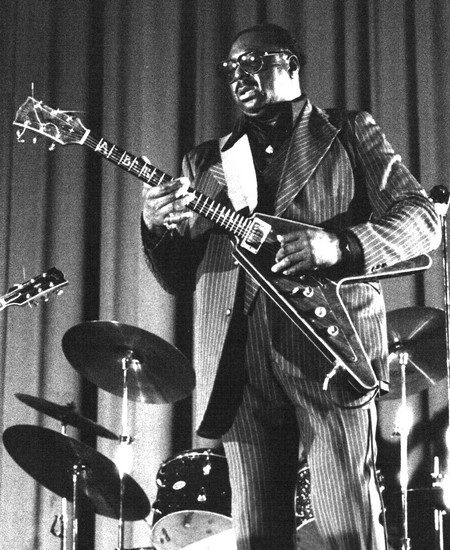
One good entry point is "Born Under a Bad Sign", written by Stax bandleader Booker T. Jones and singer William Bell and first recorded by Albert King at Stax studios in Memphis in May 1967. The song gave its name to King's breakthrough Stax album, became an R&B chart hit, and was later covered by Cream on their 1968 album Wheels of Fire — one of many covers that helped cement its status as a modern blues standard, alongside the original album's later inductions into the Grammy Hall of Fame and the Blues Hall of Fame.
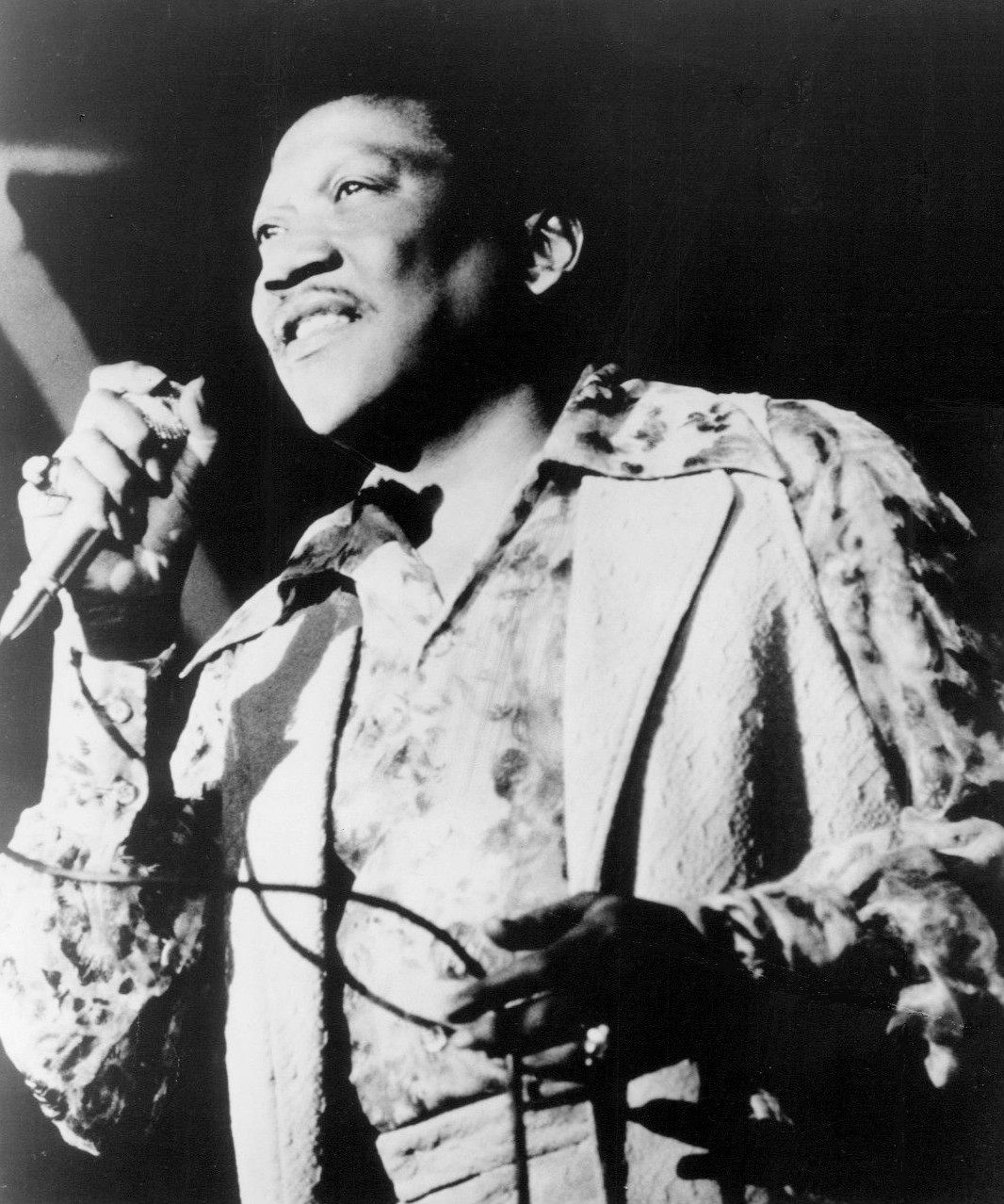
Another is "Further On Up the Road" (also recorded under the title "Farther Up the Road"), first cut by Bobby "Blue" Bland in Houston in 1957 for Duke Records and credited to Joe Medwick Veasey and Don Robey. It became Bland's first chart-topping single, spending fourteen weeks at number one on the Billboard R&B chart, and it went on to become a fixture of blues jam sessions and live sets everywhere — most famously as a recurring showpiece in Eric Clapton's live shows for decades afterward. The song's songwriting credits have long been debated among blues historians, which is itself part of what makes its story worth telling.
These two guides are just a starting point. As this section grows, we'll keep adding song-by-song histories covering other Stax, Duke/Peacock, Chess, and Chicago-era blues recordings, along with the Southern California artists and venues that have kept these songs alive on local stages. If you're looking for where to actually hear a given track, each guide points you to the artist's or label's official channel or a mainstream licensed streaming service rather than hosting audio or lyrics directly.