Backwater Blues: Blues Song Guide
Facts
- Written and originally recorded by Bessie Smith
- Recorded February 17, 1927, in New York City, with James P. Johnson on piano
- Released by Columbia Records as "Back-Water Blues" b/w "Preachin' the Blues"
- Popularly associated with the 1927 Mississippi Flood, though researcher David Evans has traced its likely origin to a late-1926 Cumberland River flood in Nashville
- Composition entered the public domain January 1, 2023
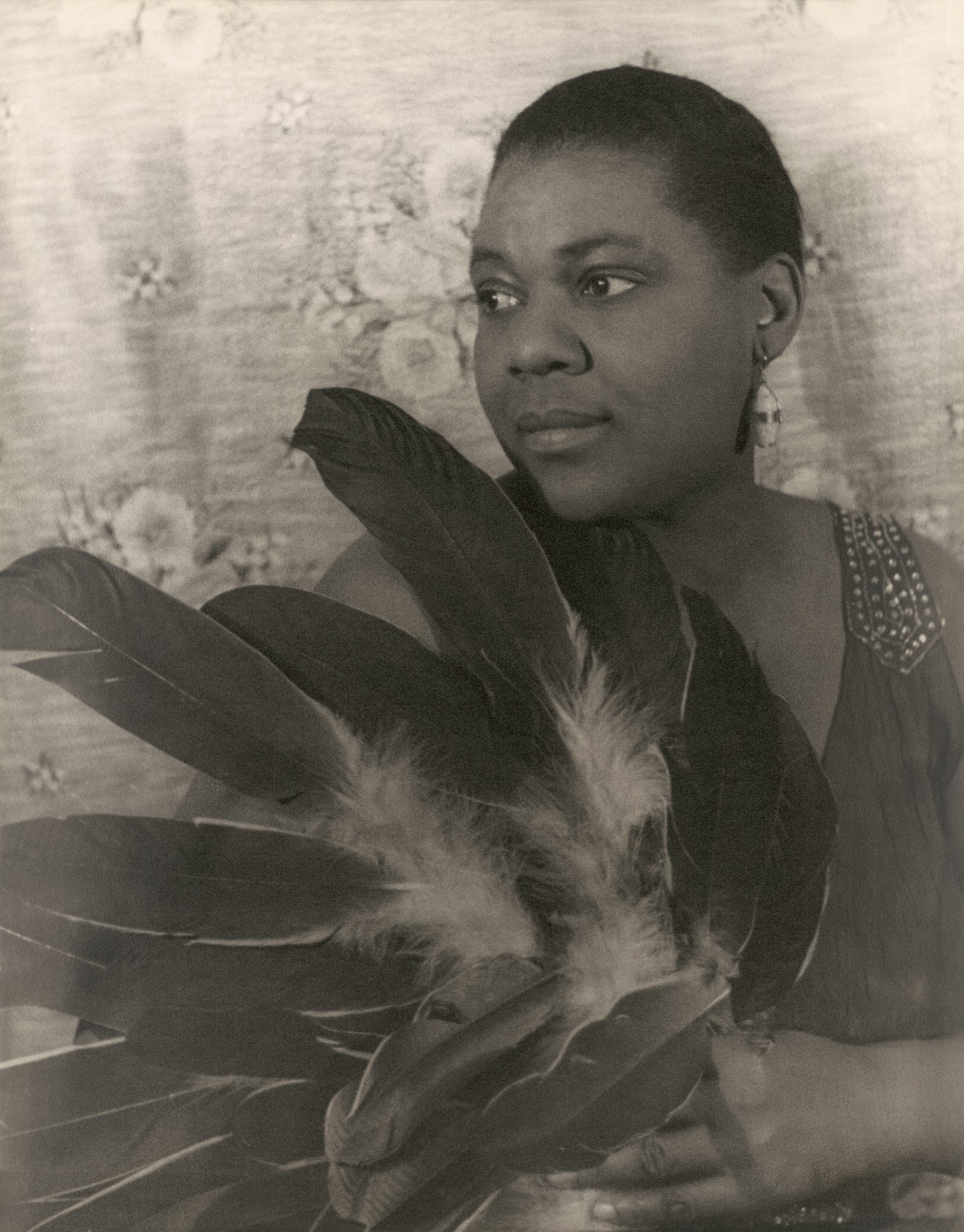
"Backwater Blues" is one of the foundational recordings of the entire blues canon, written and sung by Bessie Smith, the era's most commercially successful blues artist. She cut it on February 17, 1927, in New York City with the great stride pianist James P. Johnson accompanying her, and Columbia Records released it as "Back-Water Blues" backed with "Preachin' the Blues." For nearly a century the song has been tied in popular memory to the catastrophic Great Mississippi Flood of 1927, which displaced hundreds of thousands of people across the Delta later that spring. The timeline is actually more complicated: Smith recorded the song weeks before the Mississippi levees failed, and blues scholar David Evans has argued, based on her touring schedule and contemporary accounts, that she more likely wrote it after witnessing a Cumberland River flood that struck Nashville on Christmas morning, 1926. Whichever flood sparked it, the song's imagery of rising water, a home lost, and a woman forced to pack up and move became so emblematic of disaster and displacement in Black American life that it was retroactively absorbed into the mythology of the bigger, more devastating 1927 flood.
Musically, "Backwater Blues" is a master class in the 12-bar blues form applied to vocal storytelling rather than lament alone - Smith narrates specific, concrete details (packing a suitcase, boarding a boat) that give the song a documentary, almost reportage quality rare in blues of the period. That narrative clarity is part of why it became a template other blues and folk artists returned to whenever they wanted to write about flood, loss, and forced migration, a lineage that runs forward to Randy Newman's "Louisiana 1927" and the entire post-Katrina revival of interest in flood blues. It also sits at the root of the broader "life hits you from outside forces beyond your control" theme that runs through much of the Southern California club circuit's repertoire - the same unsentimental, plainspoken honesty you'll hear in a lifer's blues like "Bluesman for Life" or in the loose, strutting confidence of "Cool Blues Walk."
The song's composition entered the public domain on January 1, 2023, cementing its status as shared cultural property, and it has been reinterpreted for generations since - in classrooms, in flood-anniversary commemorations, and on stages by blues and folk performers drawn to its stark first-person voice. Because Smith's original 1927 Columbia recording itself remains under separate sound-recording protections in many territories, your best legal bet for hearing it is through official reissue channels: Columbia/Legacy's licensed Bessie Smith catalog on major streaming platforms (Spotify, Apple Music), YouTube uploads from verified Sony Music or Columbia Legacy channels, or archival streams through institutions like the Library of Congress's National Jukebox and poetry programs. Avoid unofficial rips - there is no shortage of legitimate ways to hear Smith's voice at full strength.
For listeners newer to prewar blues, "Backwater Blues" is also a good entry point into the wider Southern California blues scene coverage on this journal, since so many of the region's club and festival acts still build their sets around the same emotional architecture Smith perfected: plain language, real stakes, and a melody that lets the weight of the story do the work.