Black Widow Spider: Blues Song Guide
Facts
- Recorded by Lowell Fulson as "Black Widow Spider Blues"
- Originally released 1947 on Big Town Records, b/w "Don't Be So Evil"
- Reissued on a Catfish Records compilation of Fulson's 1946-1949 recordings (2000)
The closest verified match to this title is "Black Widow Spider Blues," recorded by West Coast blues giant Lowell Fulson and originally released in 1947 as the B-side of a 10-inch, 78 rpm single on the small Big Town label, paired with "Don't Be So Evil." Fulson - an Oklahoma-born, Texas-raised guitarist who relocated to Oakland and became one of the architects of the postwar West Coast blues sound - was a towering figure in California blues in the years before he found his biggest fame with "Reconsider Baby" and, much later, "Tramp." His late-1940s singles for small independent labels like Big Town capture him in his earliest commercially recorded period, cutting tight, guitar-driven sides steeped in Texas blues phrasing filtered through California's more polished club-band arrangements.
Spider imagery has deep roots in blues lyricism as a stand-in for a dangerous, irresistible lover or for ill fortune that bites when you least expect it - the black widow in particular, famous for devouring its mate, made for an obvious and much-used metaphor across decades of blues songwriting. Fulson's recording sits within that tradition; specific songwriting credit for this track is not clearly documented in available discographies, though Fulson is broadly credited as a songwriter across his wider catalog.
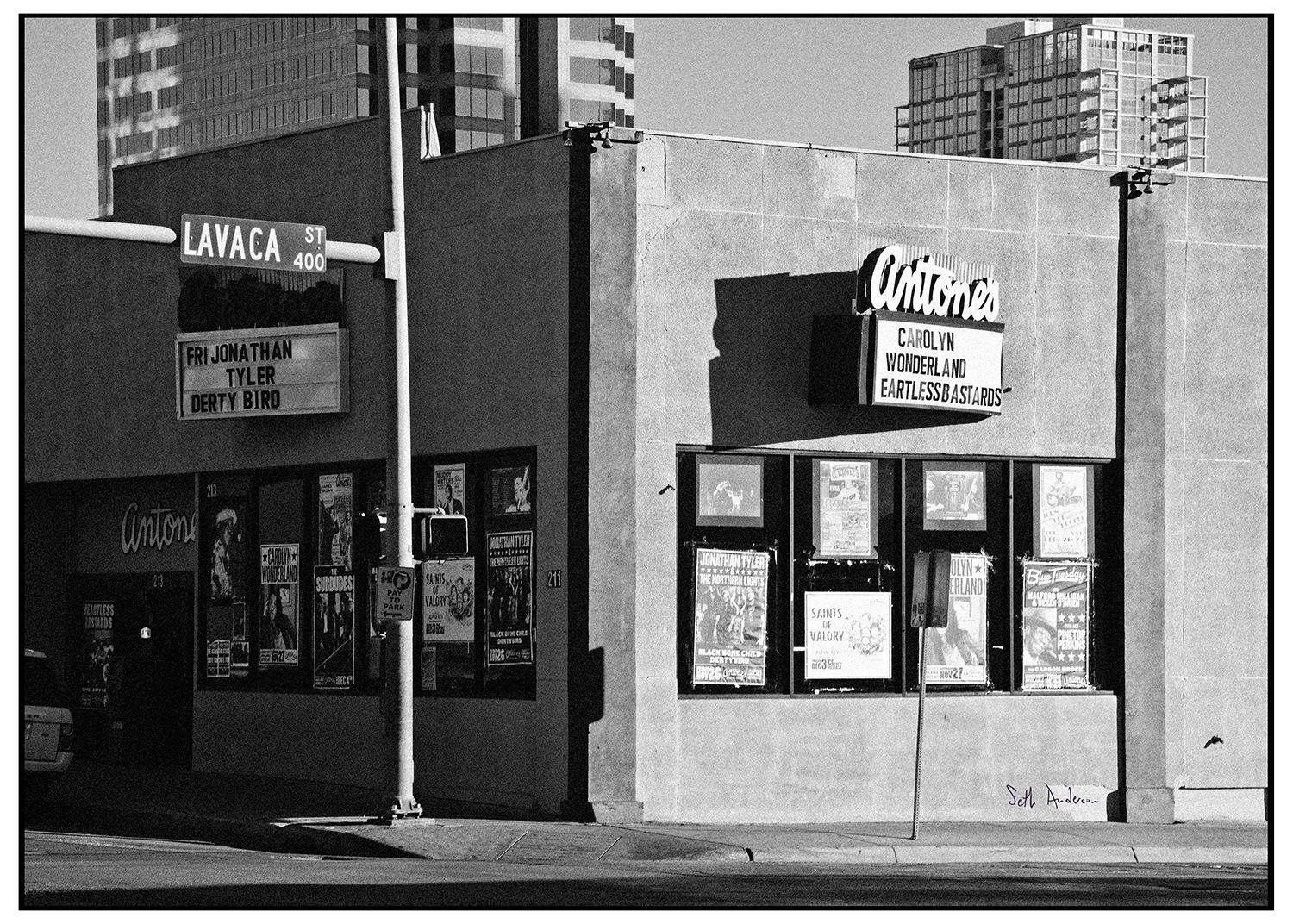
The track has had a long life on reissue compilations - it surfaced again on a Catfish Records anthology of Fulson's 1946-1949 sides released in 2000, and it continues to circulate on streaming blues-revival playlists. Its theme of predatory danger dressed up as romance connects naturally to the fatalistic card-game imagery of "Blackjack" and anticipates the kind of tribute-driven, scene-specific storytelling explored on the "Blues for Antone" page, where a real blues institution rather than a metaphorical danger is the subject.
Fulson's early catalog, including this track, is available through legitimate reissue-label channels - Catfish Records' compilations are licensed for streaming on Spotify and Apple Music, and verified blues-reissue YouTube channels carry properly credited uploads.