West Coast Blues: History and Artists
Facts
- The style grew out of the WWII-era migration to California's coastal cities
- T-Bone Walker's electric guitar work set the template for the sound
- Jump blues, jazz phrasing and smooth vocals mark the West Coast style
Where the Sound Came From
West Coast blues is the child of the Second World War. Defense-industry jobs drew hundreds of thousands of Black Southerners, many from Texas, Louisiana and Oklahoma, to Los Angeles, Long Beach and the Bay Area in the 1940s. They brought their music into a city scene already rich with jazz, and the collision produced a blues that was more urbane than its Delta and Chicago cousins: horn sections, piano, jazz chords and a cooler vocal delivery.
T-Bone Walker and the Electric Template
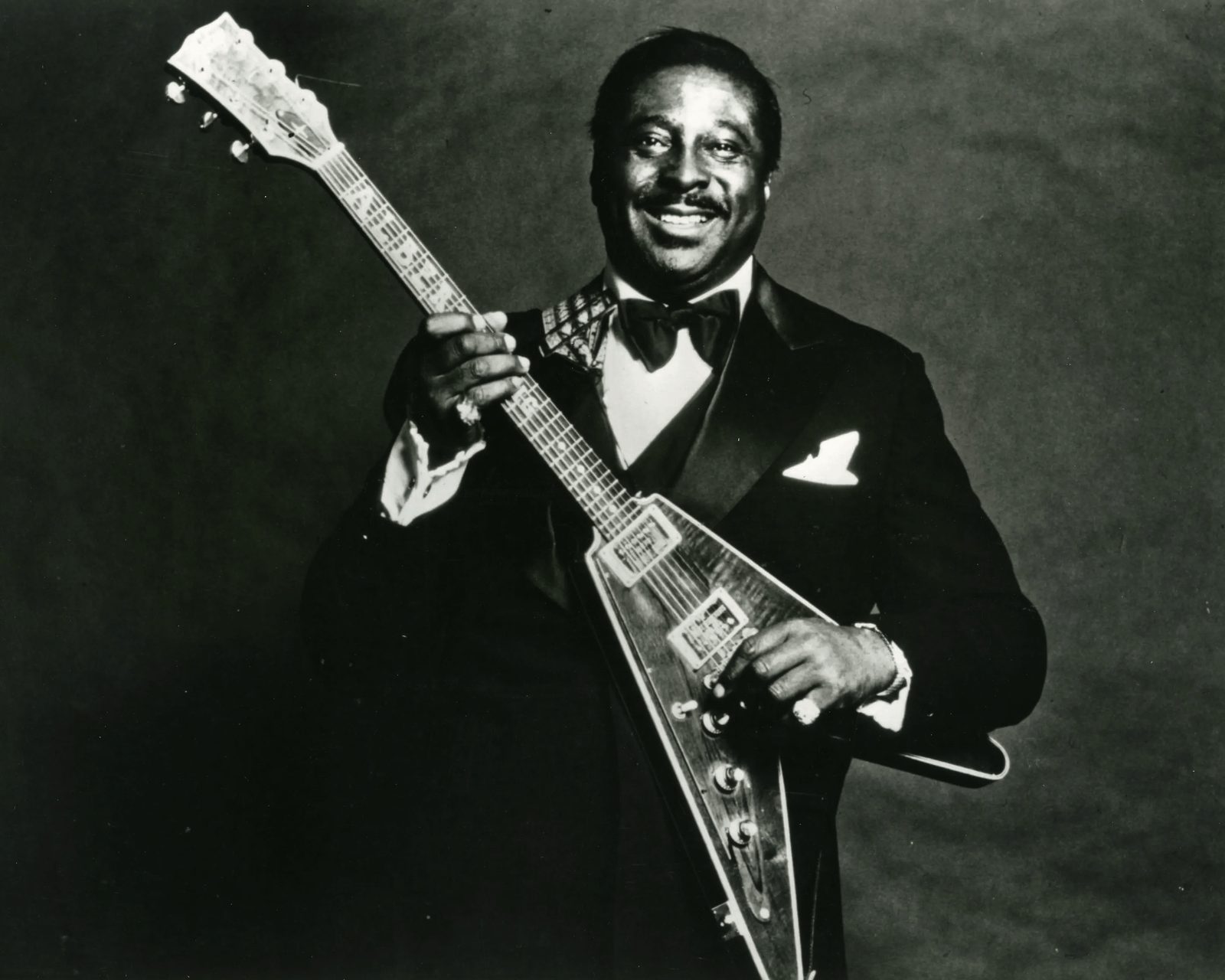
No single figure shaped the style more than Aaron Thibeaux "T-Bone" Walker, the Texas-born, Los Angeles-based guitarist whose fluid single-string soloing on an electric guitar became the model for essentially every blues and rock guitarist after him. Around him worked a generation of West Coast standard-bearers: Pee Wee Crayton carrying the guitar tradition forward, Lowell Fulson bridging down-home and uptown styles, and piano-led smooth blues from artists like Charles Brown defining the mellow end of the spectrum.
What Makes It Sound "West Coast"
Listeners usually notice three things. First, the jazz influence: ninth chords, horn arrangements and solos that phrase like saxophone lines. Second, the jump-blues energy inherited from the swing era, built for dance floors rather than juke joints. Third, polish: West Coast blues was recorded in professional studios for established independent labels, and it sounds like it. The result is a style that swings hard without ever sounding rough.
The Scene's Geography
In Los Angeles the heart of the scene was the Central Avenue corridor, whose clubs and after-hours rooms ran hot through the 1940s; our Central Avenue history tells that story in detail. As the decades passed, the music spread into South Bay clubs, San Fernando Valley bars and the festival circuit, where the style's descendants still draw crowds today.
Hearing It Now
The West Coast tradition never died; it professionalized. Its DNA is audible in every smooth-toned guitarist and jump-blues revival band on a Southern California stage, and regional players keep the catalog alive at clubs and jams across the basin. For a way into the recordings themselves, our song guides walk through individual tracks, many of them from artists in this lineage.
Five Recordings to Start With
A short starter shelf for the style, all canonical: T-Bone Walker's "Call It Stormy Monday," the single most influential West Coast blues record ever cut; Pee Wee Crayton's "Blues After Hours," an instrumental that shows the guitar tradition at its smoothest; Lowell Fulson's "Reconsider Baby," where down-home feeling meets uptown horns; Charles Brown's "Driftin' Blues," the definitive statement of the mellow piano-blues branch; and Big Mama Thornton's "Hound Dog," cut in Los Angeles with the raw power that balanced all that polish. Five records, one coherent sound.